
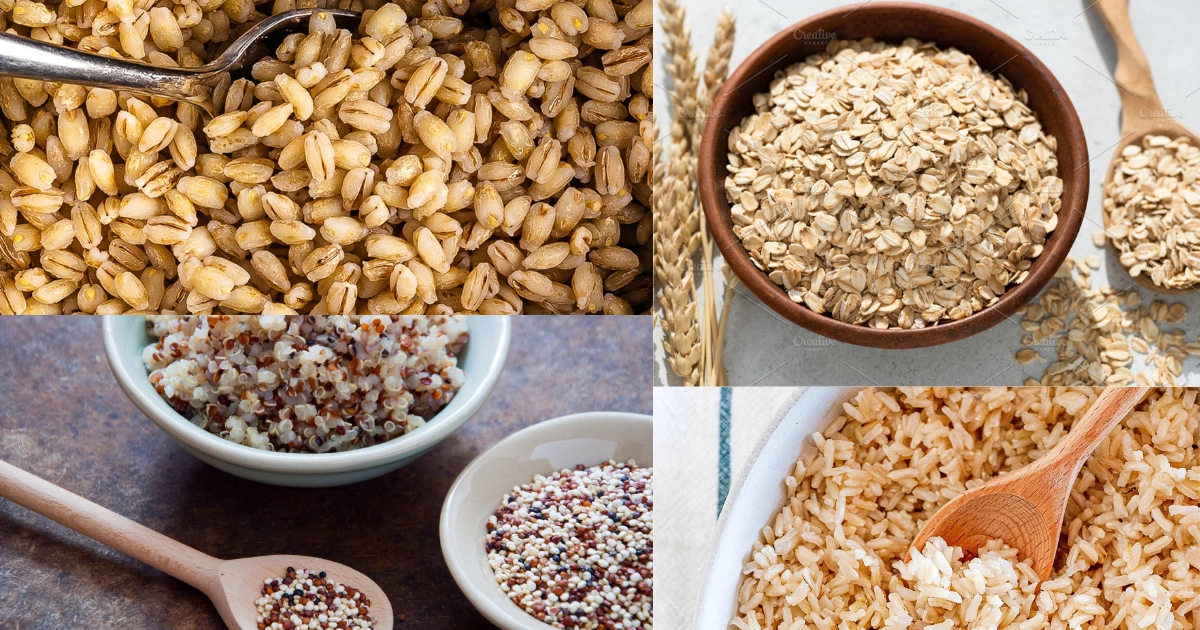
Grains can bring different textures to soups, salads, bowls, and side dishes. Some cook up light and fluffy, while others stay pleasantly chewy. This kitchen guide compares five familiar choices and shares simple ways to prepare them. Always check the package because varieties and cooking times differ.
Oats
Rolled oats cook quickly into porridge and can also be added to muffins, crumble toppings, and homemade granola. Toasting them briefly in a dry pan before adding liquid gives a nutty aroma. Steel-cut oats have a firmer texture and take longer, so follow the pack directions.
Barley
Pearl barley becomes tender and pleasantly chewy in soups, stews, and warm salads. Simmer it separately when you want clearer broth, or cook it directly in a soup and add extra liquid as needed. Toss cooled barley with herbs, chopped vegetables, and lemon for a simple salad.
Quinoa
Rinse quinoa in a fine sieve before cooking if the package recommends it. Simmer according to the directions, then let it rest covered and fluff with a fork. Use it as a base for bowls with roasted vegetables, beans, herbs, and a dressing of your choice.
Brown rice
Brown rice has a firm bite and takes longer to cook than many white-rice varieties. Use the liquid ratio and timing on the package. Leave the pot covered while it rests after cooking, then fluff gently. Leftover rice can be chilled promptly and used in a stir-fry after safe storage.
Bulgur
Bulgur is cracked wheat that is often quick to prepare. Depending on the grind, it may be simmered or covered with hot water and left to absorb. It is used in pilafs, soups, and parsley-rich salads. Check the label for the best method and whether the product contains wheat.
Easy ways to add flavor
Cook grains in broth when you want a savory base, or add aromatics such as bay leaf, garlic, or onion to the pot. Finish with chopped herbs, toasted nuts, citrus zest, or a spoonful of olive oil. For a balanced meal, serve a grain with vegetables and a protein such as beans, eggs, fish, or chicken.
For best results, use the package directions and adjust seasoning after cooking. This article is about kitchen preparation and does not make health or treatment claims.
Build an easy grain bowl
For two bowls, divide about 1½ cups cooked grains between serving dishes. Add 1 cup roasted or raw vegetables, 1 cup cooked chickpeas or beans, and a handful of chopped herbs or greens. Whisk 2 tablespoons olive oil with 1 tablespoon lemon juice, a teaspoon of Dijon mustard, salt and pepper, then spoon over the bowls. Finish with toasted seeds, nuts or crumbled cheese if you like.
Use one grain or mix leftovers with a different variety for contrast. Bulgur and quinoa are light and quick to serve; brown rice and barley make a chewier base. If the bowl feels dry, add a spoonful of yogurt, hummus or extra dressing. If it tastes heavy, brighten it with lemon, fresh herbs or crunchy vegetables.
Get the texture right
Grain size, brand and processing affect cooking time, so follow the package directions and begin checking near the suggested finish. If grains are still firm and the pot is dry, add a small splash of hot water, cover and cook a little longer. If they are tender but watery, drain them when appropriate or let them stand uncovered briefly. After cooking, rest covered grains for several minutes, then fluff with a fork to release steam and separate the pieces.
For meal prep, cook a plain batch and season portions differently as you serve them: herbs and lemon for a salad, broth and vegetables for a warm side, or milk, fruit and cinnamon for a breakfast porridge. Store toppings separately when possible so they keep their crunch.
Cool and store cooked grains safely
Transfer cooked rice and other leftovers into shallow containers and refrigerate promptly, within 2 hours of cooking; refrigerate within 1 hour if the room or outdoor temperature is above 90°F (32°C). Keep the refrigerator at 40°F (4°C) or below and use refrigerated leftovers within 3 to 4 days. Reheat leftovers until steaming hot throughout, to 165°F (74°C), and avoid reheating the same portion repeatedly. Freeze portions you will not use soon. See FoodSafety.gov’s food safety guidance for more information.
interessante
fantastic